Why Your Business Gets Enquiries But Loses at Follow-Up
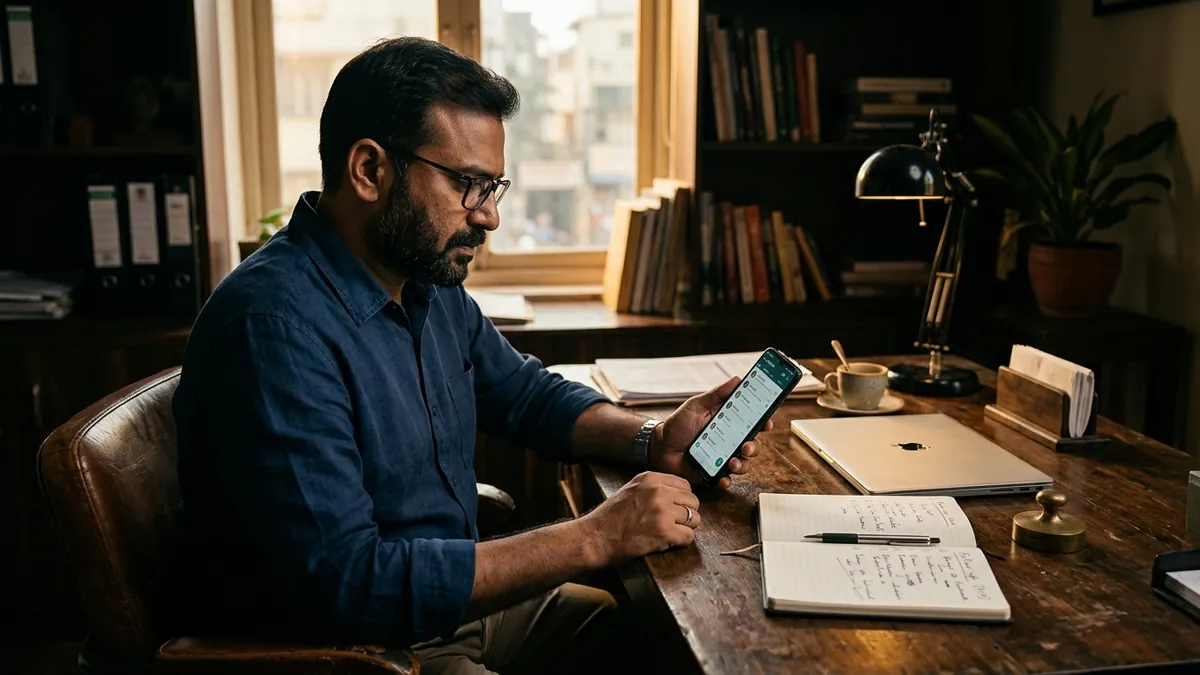
Most business owners I meet are not short of enquiries. They get calls, WhatsApp messages, Instagram DMs, referrals. The pipeline looks active. But when you sit down and ask them how many of those actually converted into paying clients last quarter, the number is uncomfortable. The enquiries came in. The business did not.
This is one of the most common and most expensive growth blockers I see with Indian MSMEs. It is not a marketing problem. It is a follow-up problem. And the reason it hurts so much is that you already did the hard work of getting someone interested. You spent money on ads, or time on content, or years building a reputation. A potential buyer raised their hand. And then the process let them down quietly.
Here is what usually happens. An enquiry comes in on a busy Tuesday. The founder or the sales person sees it, mentally notes it, and plans to reply after finishing the current task. By evening, two more enquiries have arrived. The first one is now buried. Three days later, someone remembers and sends a delayed reply. By then, the buyer has either found another vendor, moved on, or simply lost the urgency they had when they first reached out. The window closed, and nobody noticed.
The second pattern I see is the single-touch follow-up. Someone replies to the enquiry once, sends a quote or a brochure, and then waits. If the buyer does not respond, the assumption is that they were not serious. But buyers are busy people too. One message is easy to forget. In most Indian B2B and service businesses, a buyer needs three to five meaningful touchpoints before they make a decision. One message and silence is not follow-up. It is abandonment dressed as patience.
There is also a confidence problem that founders rarely admit. Many business owners feel awkward following up. They do not want to seem desperate. They worry about annoying the prospect. So they hold back. But here is the reality I have seen consistently — a well-timed follow-up feels helpful to a buyer, not pushy. The buyer is often just waiting for a reason to move forward. Your follow-up gives them that nudge. Your silence gives them permission to forget you. If you are unsure how to structure your follow-up without sounding salesy, this is something we work through in a one-to-one consultation where I look at your actual enquiry flow and help you build a process around it.
The fix is not complicated but it does require deliberate effort. Start by deciding what your follow-up sequence looks like for every new enquiry. Not a complex CRM system. Just a clear decision: first reply within two hours, a check-in call or message on day three, a value-adding message on day seven. Write this down. Make it a standard. The moment follow-up depends on memory or mood, it will fail. I have worked with manufacturers and service businesses who added fifteen to twenty percent more conversions simply by tightening this sequence. No new ads. No new branding. Just consistency at the follow-up stage.
Another thing worth fixing is what you say in your follow-up. Most follow-up messages sound like this: 'Just checking in to see if you had a chance to look at our proposal.' That message puts the burden entirely on the buyer and adds no value. A better follow-up references something specific about their enquiry, offers a useful piece of information, or removes a friction point. Something like: 'I noticed your project involves X — here is something that might help you decide faster.' That is a follow-up that earns attention. If you want to learn how to build this kind of communication across your customer journey, our business growth workshops cover exactly this for MSME teams.
One more thing that kills conversions at the follow-up stage is the absence of a clear next step. The buyer reads your reply and thinks, 'Okay, now what?' If your message does not guide them toward a specific action — a call, a site visit, a decision on specs — they drift. Every follow-up message should close with one clear next step. Not three options. One. Make it easy for them to say yes to something small, and the bigger decision becomes easier.
Getting enquiries is a marketing win. Converting them is a process win. Most Indian founders invest heavily in the first and leave the second entirely to chance. If your revenue feels stuck despite a healthy flow of interest, look here first. Fix the follow-up before you fix the funnel. The business you are losing is already in your inbox.
Want to understand where your business growth is stuck?
Book a Business Growth Diagnostic with Abhijit JK — an honest, focused 60-minute one-to-one session with Abhijit JK on your brand, website and growth.
Book a Business Growth Diagnostic