Why Your Premium Price Gets Rejected Before a Word Is Spoken
Most business owners I meet tell me the same story. They quote a price. The client goes quiet, says 'we will think about it', and never calls back. The business owner assumes the price was too high. So they discount. They discount again. And slowly they are stuck in a race they cannot win — competing only on price, exhausted, with margins that make no sense. But here is what I have observed over 15 years of working with founders across India: the price was rarely the real problem.
The rejection happens before the conversation. It happens the moment your prospect lands on your Instagram page, or sees your visiting card, or visits your website, or walks into your office. In those first five seconds, their brain makes a decision — 'this is a budget option' or 'this is worth paying for'. By the time you quote your price, they have already decided whether it fits the picture they built of you. If your brand communicates ordinary, no amount of explanation will make your price feel justified.
I have seen this pattern clearly with manufacturers and service businesses in Bengaluru and across India. A packaging manufacturer was offering the same quality as a competitor who charged 30% more. Same raw material. Same machinery. Even better turnaround time. But the competitor's brochure looked premium, their factory photos looked clean, their sales team wore branded shirts, and their proposals came in a designed PDF. My client's quote was a typed WhatsApp message. Guess who won the contract every time? Brand perception is not about being fancy. It is about communicating that you take your work seriously.
There are three specific signals that silently tell a buyer to negotiate you down. First is visual inconsistency — your logo looks different on your letterhead, your vehicle, and your social media. Second is generic language — your tagline or business description sounds exactly like the ten other vendors they called that week. Third is a weak first impression online — your Google Business profile has no photos, your website has stock images and vague service descriptions, and your reviews are sparse. Any one of these tells the buyer that you are not yet at the level your price suggests. All three together make your premium price feel like overconfidence.
The fix is not a rebrand in the traditional sense. You do not need a new logo or a new name. What you need is brand clarity — a clear, specific answer to why you, why now, and why at this price. Start with your positioning statement. Can you say in one sentence what you do, for whom specifically, and what makes it different? Not 'we provide quality services at affordable prices'. That means nothing. Try something like: 'We help Bengaluru-based food manufacturers get export-ready packaging within 10 working days, with full regulatory compliance handled in-house.' That sentence does work before you say a single word about price. If you are unsure how to build this for your business, a one-to-one consultation is often the fastest way to get clarity without going in circles for months.
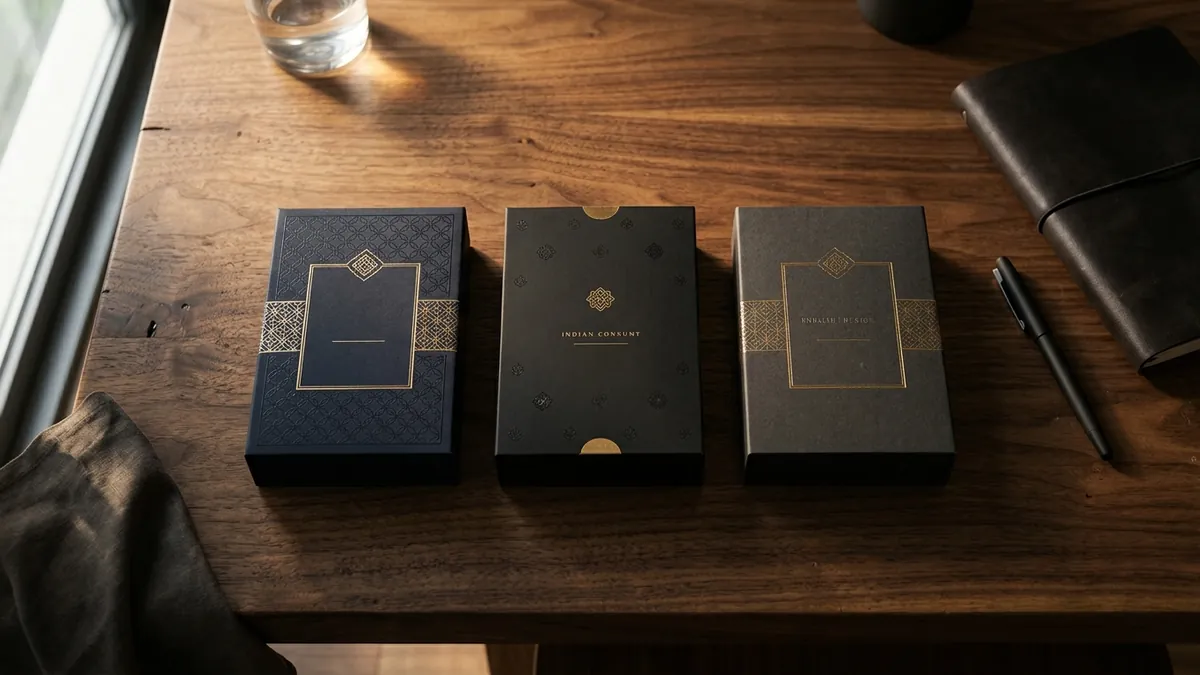
Next, audit your visual touchpoints. Not to make them look expensive, but to make them look consistent and intentional. Consistency is what signals professionalism. The same colours, the same tone of writing, the same quality of photographs — across your website, your social media, your proposals and your physical materials. A buyer seeing your brand for the first time should get the same feeling everywhere they look. This is what builds the subconscious trust that makes your price feel reasonable before you even defend it.
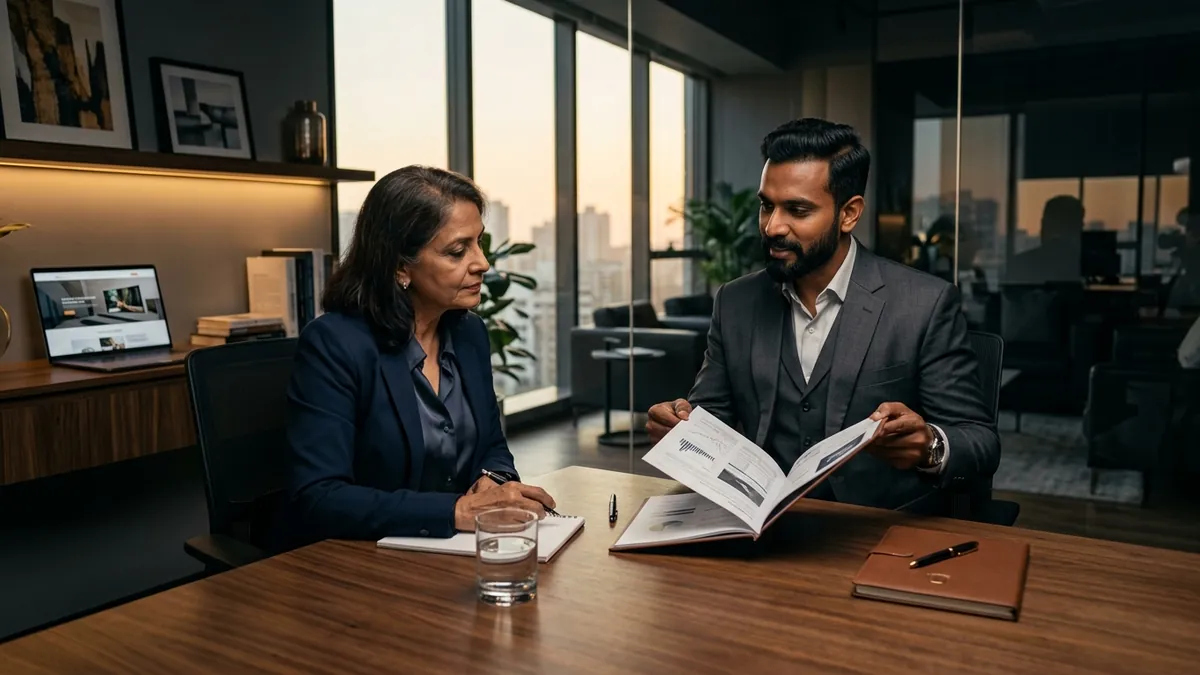
Then look at your proposal or quote document. This is where most Indian MSMEs lose premium clients at the last step. A WhatsApp message or a plain Excel sheet communicates that you are a vendor, not a specialist. A clean, structured proposal — even a simple one in Canva or Google Docs with your branding — communicates that you are organised, professional, and worth the rate. It does not have to be a 20-page document. It has to look like it came from someone who values their own work. I cover this in detail during business growth workshops because the proposal moment is where I have seen the most money leak out of good businesses.
Here is a practical checklist for this month. One, write your positioning statement and test it on three customers — ask if it sounds like anyone else they know. Two, open your Instagram, your website, and your visiting card side by side — count how many things look different or mismatched. Three, send yourself a quote the way you normally send it to clients, and honestly ask if it looks like it comes from a premium business. Four, read your WhatsApp business description or Google Business summary — does it say anything specific, or is it a copy of a hundred other businesses in your category. These are free to fix. They cost attention, not budget.
Premium pricing is not about being the most expensive option in the room. It is about making the buyer feel, before a single rupee is discussed, that working with you will be different. That you are reliable, specific, and worth trusting with something that matters to their business. That feeling is built by your brand — not by your sales pitch. If you want to understand how your brand currently comes across to buyers, and what is silently costing you clients, start at about Abhijit to understand how I work, and then get in touch. The right positioning change often pays for itself in the very next deal.
Want to understand where your business growth is stuck?
Book a Business Growth Diagnostic with Abhijit JK — an honest, focused 60-minute one-to-one session with Abhijit JK on your brand, website and growth.
Book a Business Growth Diagnostic