Why Rebranding Fails When You Change Only the Logo

Most business owners I meet decide to rebrand after a frustrating season. Sales are flat. A competitor looks sharper. A customer says something like, 'Your product is good but your brand feels old.' So the founder calls a designer, picks new colours, gets a new logo made, updates the visiting card and the website header. Six months later, nothing has changed. Enquiries are the same. Perception is the same. The frustration is worse, because now money was spent too.
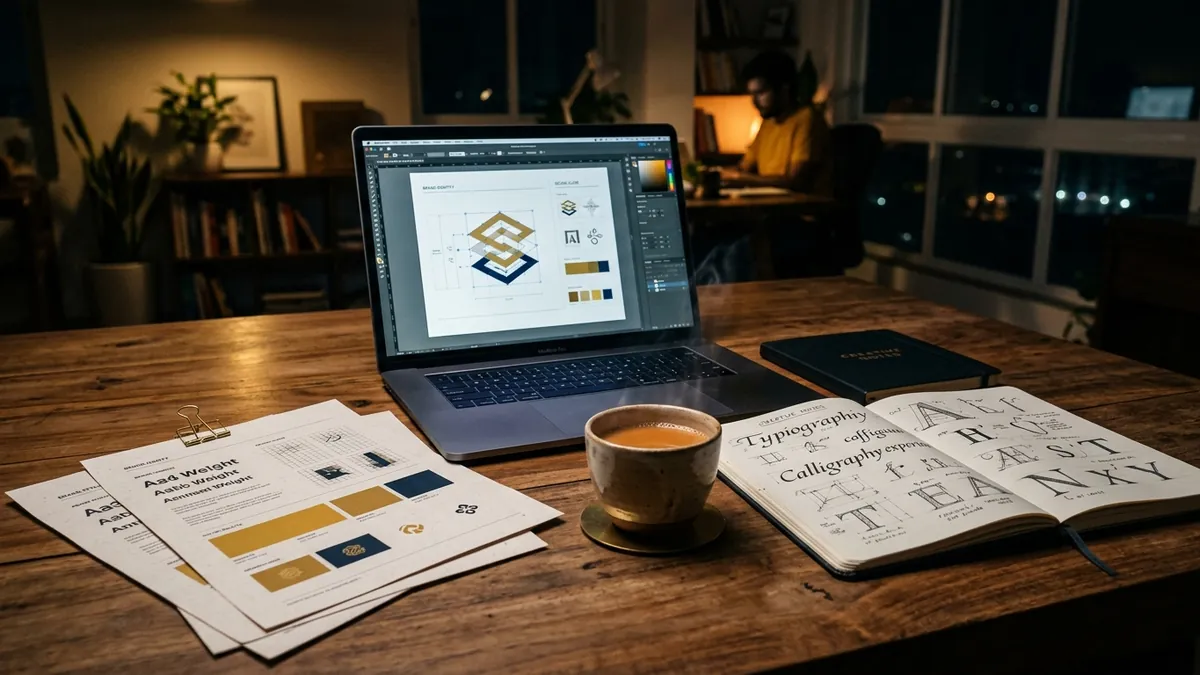
Rebranding is not a design project. That is the core misunderstanding I see again and again, especially with manufacturers, service businesses and family-run companies that have been around for ten or fifteen years. The logo is a symbol. It represents your brand. But it is not the brand itself. The brand lives in what your customers believe about you — the promise you make, the experience you deliver, the position you hold in their mind compared to your competitors. A new logo cannot change any of that.
Here is a real pattern I have observed. A Bengaluru-based B2B supplier redoes their branding. New logo, new website, new brochures. But their sales team still pitches the same way. Their proposals still list features instead of outcomes. Their LinkedIn page still has no clear message about who they serve and why they are different. The market sees a new face on the same old body. Within weeks, the novelty is gone. The brand feels exactly as it did before, just with a fresher coat of paint.
Successful rebranding starts with a positioning decision, not a design brief. Before any designer opens a file, you need to answer a few uncomfortable questions. Who exactly are you trying to serve now — and is it different from before? What do you want to be known for in the next five years? What is the one thing you want a customer to think of when your name comes up in a room? If you cannot answer these clearly, no designer in the world can save you. This is where doing a proper brand analysis before starting any visual work pays for itself many times over.
The second thing that breaks rebranding is internal misalignment. The founder has a new vision. But the sales team is still using old language. The operations team still treats customers the way they always did. The social media person is still posting generic content. Branding is not just external communication — it is how every part of your business behaves. When those behaviours do not change, the new visual identity becomes a lie. Customers sense that gap instantly, even if they cannot name it.
I have also seen founders rush rebranding because a competitor rebranded. That is one of the worst reasons to do it. Your competitor changed their logo because they had their own reasons — maybe an investor pushed it, maybe they pivoted, maybe they just wanted a fresh start. Following that move without your own strategic reason puts you in a reactive position. Your brand should be built on what makes your business genuinely different, not on what your competitor did last quarter. If you are unsure where to start, a one-to-one consultation can help you figure out what actually needs to change versus what can stay.
The companies that rebrand successfully treat it as a business strategy exercise first. They start by getting clarity on their positioning — the segment they serve, the problem they solve better than anyone else, the proof points that back that claim. Then they work on the message — how to say it simply and consistently across every touchpoint. The visual identity comes last, as a translation of all that thinking into something people can see and feel. Done in this order, even a modest visual refresh can feel like a complete transformation because the whole business is now aligned behind it.
If you are considering a rebrand, here is what I would suggest doing this month before spending anything on design. Write one paragraph that describes exactly who your business serves today, what specific problem you solve for them, and why they should trust you over anyone else. Then share that paragraph with three of your best existing customers and ask them if it sounds true. If they hesitate, or if it sounds nothing like how they would describe you, you have found the real problem — and it is not your logo. The 2-day business growth workshop I run covers this positioning exercise in depth with real working sessions, not theory.
Rebranding done right is one of the most powerful moves a business can make. It can open new markets, attract better clients, justify higher prices and re-energise your own team. But only when it starts from strategy and ends with design — not the other way around. Change the thinking first. The logo will mean something then.
Want to understand where your business growth is stuck?
Book a Business Growth Diagnostic with Abhijit JK — an honest, focused 60-minute one-to-one session with Abhijit JK on your brand, website and growth.
Book a Business Growth Diagnostic