Why Your Sales Pitch Works in Person But Fails on Paper
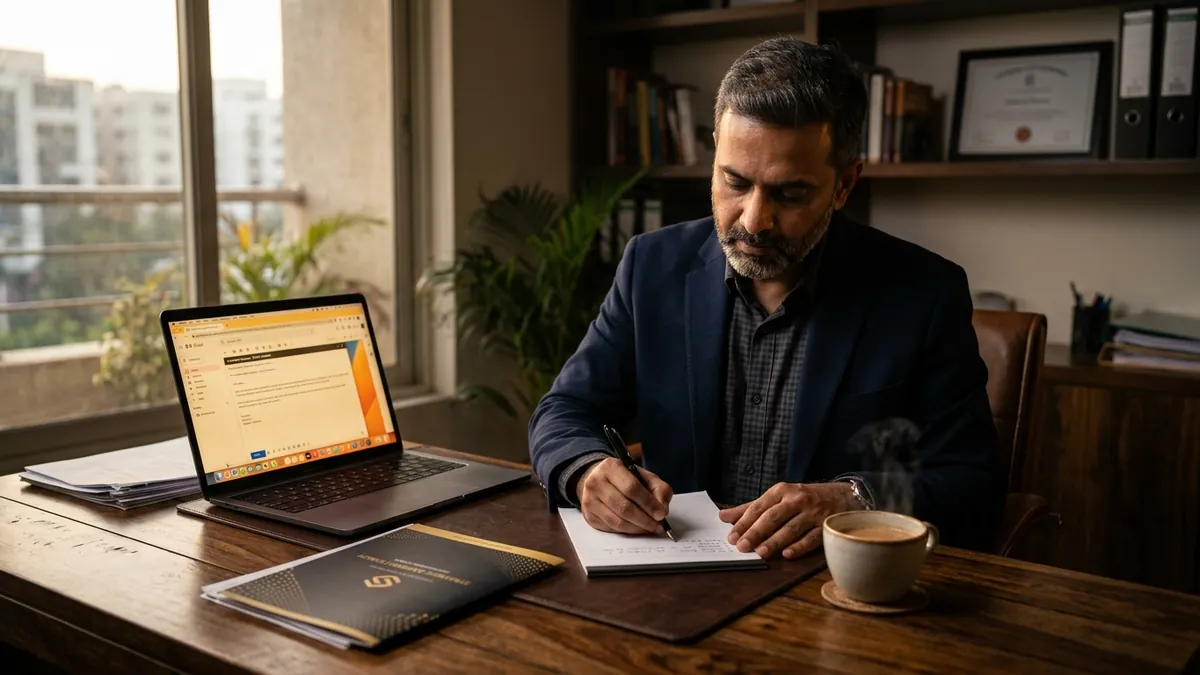
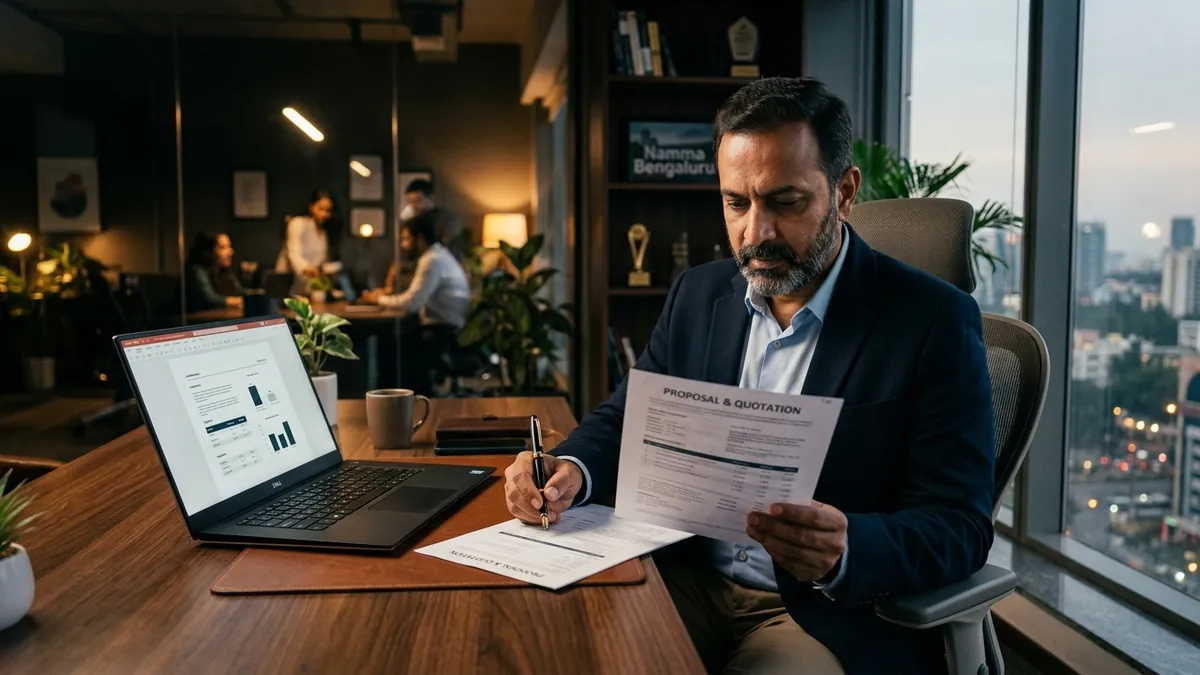
Most business owners I meet are genuinely good at what they do. They explain their service in person and the other person leans forward, nods, asks questions. The energy in the room is right. But the moment that same owner sends a WhatsApp message, a PDF, or a follow-up email — silence. The client does not reply. The deal disappears. This is one of the most common and most painful problems I see across Indian MSMEs, and very few people are talking about it honestly.
Here is what is actually happening. When you are in the room, you are not just sharing information. You are reading the other person. You pause when they look confused. You skip the technical parts when they seem impatient. You laugh, you gesture, you match their energy. Your pitch is alive. But when you write it down or pack it into a brochure, all of that disappears. What is left is a flat wall of text that means nothing to the person reading it alone, without you there to guide them.
I have seen this with manufacturers who can explain their production quality brilliantly on a factory floor but send a capability document that reads like a government form. I have seen service businesses whose founders are magnetic in a meeting but whose Instagram bio or website homepage sounds like it was written by someone who has never met a real customer. The gap is not about knowledge. It is about translation. Most founders have never been taught how to translate their spoken confidence into written words that carry the same weight.
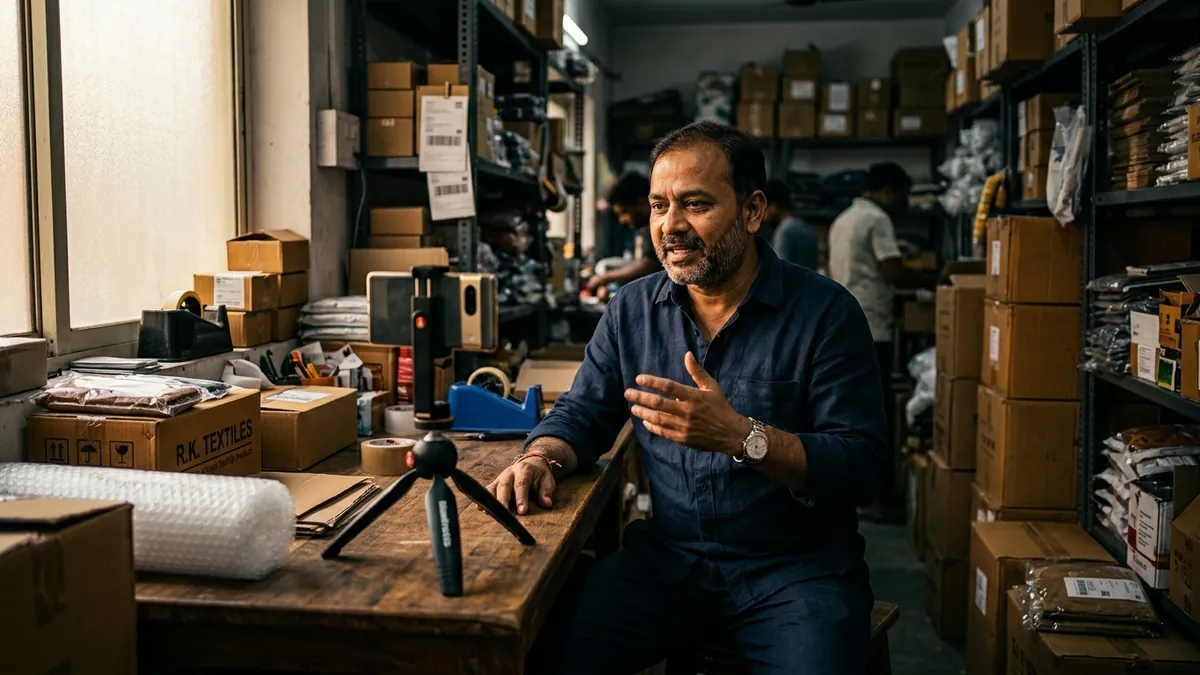
The first thing I tell founders to do is record themselves. Literally open your phone and explain your business out loud as if you are talking to a potential client. Do not prepare. Just talk. Then listen back. That version — messy, human, unrehearsed — is almost always cleaner and more convincing than whatever is written on their brochure or website. The words you use when you are not overthinking it are the words your pitch needs. Start from that recording when you rewrite anything.
The second problem is that written pitches try to say everything at once. In person, you read the room and give people what they need in the moment. On paper, most founders dump every feature, every service, every award, every year of experience — all in one go. The reader does not know what to hold on to. A strong written pitch does the opposite. It picks one problem the client has, names it clearly, says what you do about it, and tells them what to do next. That is it. Everything else is a distraction.
There is also a trust issue that founders do not notice. When you are in person, your confidence, your appearance, your location, your handshake — all of these build trust before you have said a word. On paper, none of that comes through. Your writing has to do that work instead. This is where most written pitches fail. They list capabilities but they do not build trust. Trust in writing comes from specificity. Not 'we serve clients across industries' but 'we have worked with 14 textile exporters in Surat and helped them cut their packaging rejection rate by 30 percent.' That kind of sentence does what a firm handshake does in person. If you want to understand where your communication is breaking down, a brand analysis can help you see the exact gaps between how you show up in person and how you come across on paper or online.
A third thing that kills written pitches in India specifically is the habit of being too formal. We are taught in school that serious business communication must sound stiff and impressive. So founders write things like 'we are pleased to present our esteemed organization' and it immediately feels like a stranger talking. Your client already met you. They liked you. Now your email sounds like a different person. Be the same person on paper that you are in the room. Use the same tone. Use their name. Reference something specific from your conversation. That small shift alone can double your reply rate.
If you are a founder wearing many hats and you know your pitch needs work but you do not know where to start, a one-to-one consultation is often the fastest way to sort this out. In one focused session, you can identify exactly where your written communication is losing people and build a version that actually represents how good your business really is. You do not need a marketing degree. You need someone to help you hear what your client hears when they read what you have written.
The goal is simple. Your pitch should feel the same whether you are in the room or not. When a client reads your message at 10pm after they have forgotten your face, it should still sound like you — clear, confident, and specific enough that they know exactly why you are the right choice. That is a skill. It can be learned. And for most MSMEs, fixing this one thing creates more conversions than any new ad campaign ever will.
Want to understand where your business growth is stuck?
Book a Business Growth Diagnostic with Abhijit JK — an honest, focused 60-minute one-to-one session with Abhijit JK on your brand, website and growth.
Book a Business Growth Diagnostic