Why Your Premium Product Sells at Average Prices
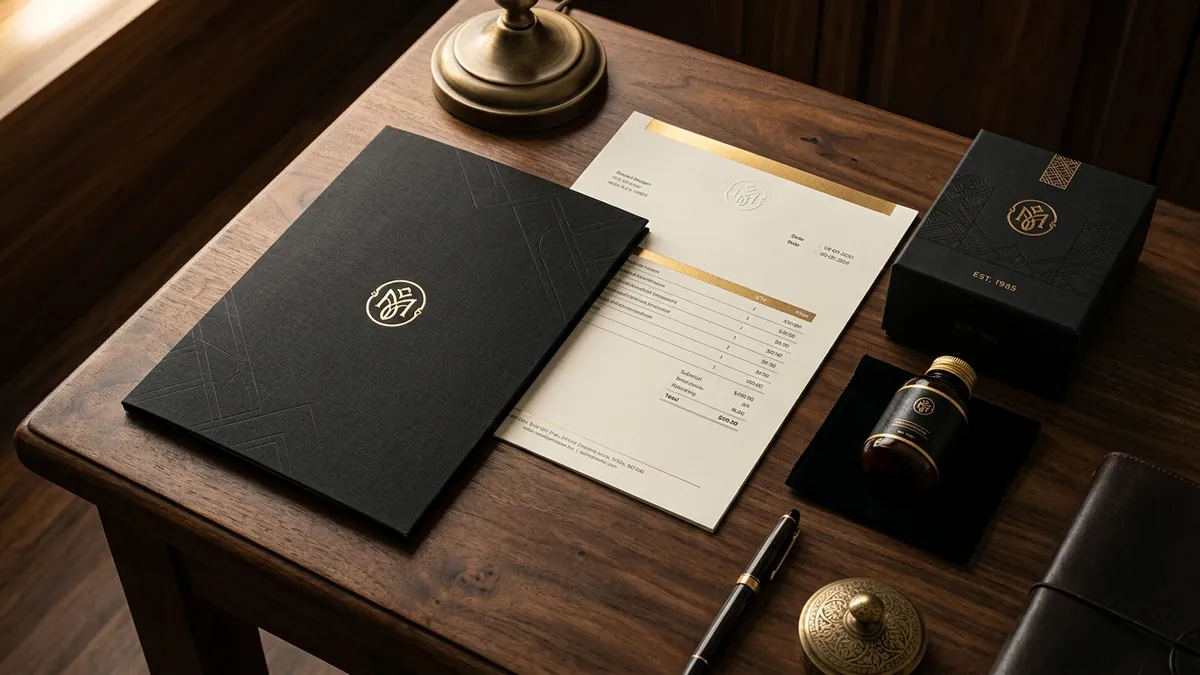
Most business owners I meet are sitting on a genuinely good product. Better raw material, better finish, better service after the sale. But when a buyer calls, the first thing they say is — 'bhaiya, thoda adjust karo.' And the owner adjusts. Every single time. The problem is not the price. The problem is that the brand around the product does not communicate premium. So the buyer does not feel it, and they negotiate.
Premium perception is not about being expensive. It is about the buyer believing — even before using your product — that this is worth what you are asking. That belief does not come from the product alone. It comes from every touchpoint. The way your catalogue looks. The language in your quotation. The photo quality on your Instagram. The packaging the product arrives in. The way your salesperson speaks. All of these either build or break the premium story.
I have seen this very clearly with manufacturers in Bengaluru and Pune. Two factories. Same product category. Similar quality. One was getting ₹180 per unit. The other was getting ₹320. The difference was not the machine or the material. The one charging ₹320 had a clean brand identity, a proper website, a well-designed product brochure, and a professional tone in every email. The buyer assumed they were better — because they looked more serious. That is brand perception at work.
Here is where most MSME founders go wrong. They invest everything in the product and nothing in the presentation. They think good quality will speak for itself. It does not. Quality is invisible until the buyer has used the product. Before that moment, the buyer is making assumptions based on what they can see. And if what they see looks like a ₹150 brand, they will not pay ₹320 — no matter how good the product actually is.
So what does premium actually look like to a buyer? Consistency is the first signal. When your logo, your packaging, your letterhead, your website and your WhatsApp profile all look like they belong to the same brand — that consistency reads as professionalism. It tells the buyer that someone is paying attention here. Inconsistency does the opposite. It makes even an expensive product feel untrustworthy. If this is something you have been struggling to get right, a one-to-one consultation can help you audit exactly where the perception is breaking down.
The second signal is specificity. Premium brands do not try to serve everyone. A brand that says 'we make all kinds of furniture for homes and offices and hotels' sounds like a local carpenter. A brand that says 'we design bespoke solid wood furniture for independent home builders in South India' sounds like a specialist. Specialists get paid more. Generalists get compared on price. Most Indian business owners I work with resist this narrowing because they fear losing business. But the specificity is exactly what gets you the right buyer who does not negotiate.
The third signal is the language you use. Read your own website or brochure right now. Does it talk about what the buyer gets — or does it just list features and specifications? Most Indian product brands write like a datasheet. Premium brands write like they understand the buyer's life. There is a big difference between 'stainless steel grade 304 with 1.2mm thickness' and 'built to last in coastal kitchens where cheaper steel rusts within a year.' One is a spec. The other is a reason to pay more. If you want to work on this as a team, our business growth workshops cover brand messaging in a way that founders and their sales teams can apply immediately.
One more thing that is often ignored — the post-enquiry experience. A buyer contacts you and you respond with a basic WhatsApp message and a PDF that looks like it was made in 2011. That moment — between interest and purchase — is where premium brands either win or lose. Your quote, your follow-up email, your proposal format — all of these are brand touchpoints. If they look sloppy, the buyer mentally downgrades you. They start thinking of you as a small vendor, not a brand they are proud to buy from.
Here is what I suggest doing this month. Pick three touchpoints — your catalogue or brochure, your quotation format, and your product photos. Fix these three first. These are the ones buyers see most often between first contact and final purchase. Get proper product photography done. Redesign your quote to look structured and professional. Update your brochure with buyer-focused language, not just specs. These three changes alone can shift how a buyer feels about your price. If you want to understand the full picture of where your brand stands today, read more about how I work with business owners on the about Abhijit page.
Want to understand where your business growth is stuck?
Book a Business Growth Diagnostic with Abhijit JK — an honest, focused 60-minute one-to-one session with Abhijit JK on your brand, website and growth.
Book a Business Growth Diagnostic

