Why Customers Don't See You as a Premium Brand

Most business owners I meet are genuinely proud of what they deliver. Good quality, honest pricing, real effort. But they keep facing the same frustration — customers treat them like a commodity. They bargain. They compare. They ask 'can you do it a little cheaper?' And the founder ends up cutting margins just to close the deal. If this sounds familiar, the problem is not your product or your pricing. The problem is your brand perception.
Premium perception is not about being expensive. It is about how much trust and confidence a buyer feels before they even talk to you. When someone visits your Instagram page, your website, your LinkedIn profile, or walks into your office — they form a silent opinion in seconds. That opinion decides whether they see you as a serious, established business or just another option they found online. Most MSMEs lose this game in the first ten seconds, before a single conversation happens.
Here is what I have observed across manufacturers, service firms and retail brands in Bengaluru and across India. The businesses that command better prices without justifying themselves constantly all share one thing — their brand looks and sounds consistent everywhere. Their website, their brochure, their social presence, their email signature, their packaging — everything tells the same story. There is no mismatch. When a buyer encounters them at multiple touchpoints, the same feeling comes through. That consistency is what builds premium perception. Without it, even a brilliant product looks unreliable.
The second thing that kills premium perception is a vague brand message. I ask founders — 'Who exactly is your customer and what do you do for them?' Most give me a five-minute answer that covers everyone and says nothing specific. If you cannot say it clearly in two sentences, your customer certainly cannot understand it. They will default to comparing you on price because they have nothing else to anchor your value to. A sharp, specific brand message is not a marketing luxury — it is the foundation of being taken seriously. If you want to check how clear your current brand message actually is, a brand analysis is a good place to start.
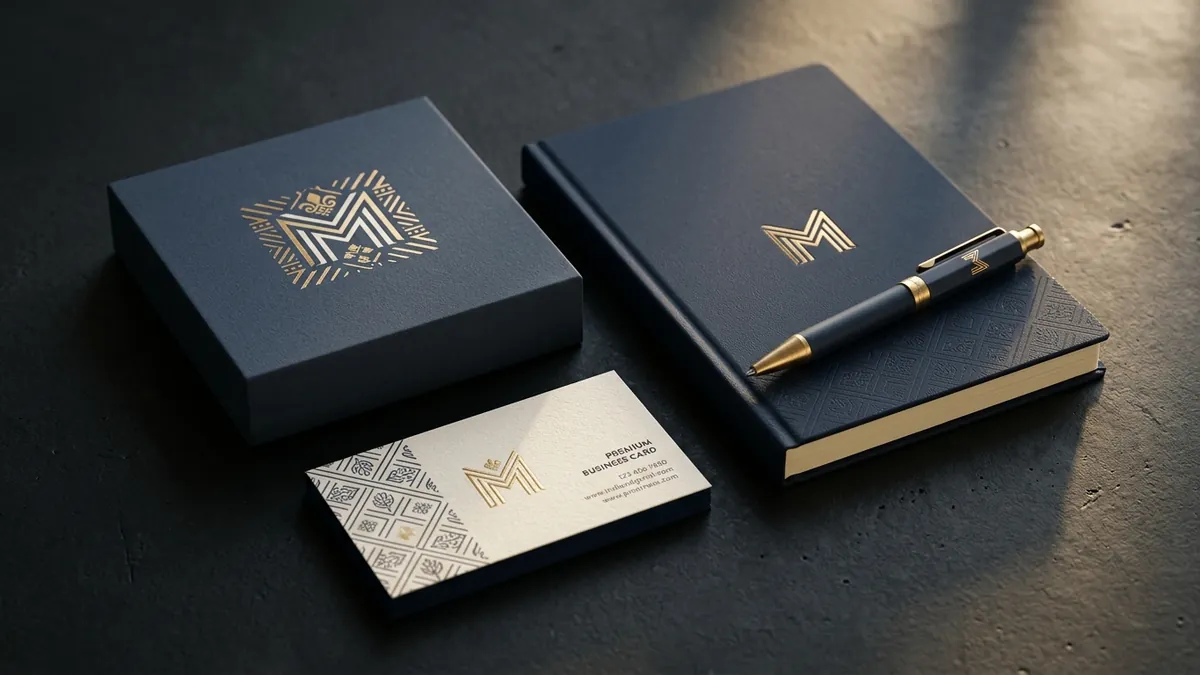
Third, and this one is uncomfortable — many businesses look like they are still in startup mode even after ten or twelve years. Outdated logo, mismatched fonts, photos taken on a phone with bad lighting, a website that has not been touched since 2019. Customers notice all of this. They may not say it out loud, but they connect visual quality to business quality. If your brand materials look casual or unfinished, buyers assume your business operations are the same. Premium brands invest in how they appear because they understand this connection deeply.
Now let me give you something practical. Look at your last five enquiries that did not convert. Ask yourself honestly — did those buyers see your website, your social profiles and your proposal before they ghosted or negotiated hard? In most cases, they did. And somewhere in that experience, something felt off. Either the message was unclear, or the visuals did not match the quality you deliver, or the proposal looked like a template. Every one of those touchpoints is a chance to either build trust or lose it. A one-to-one consultation can help you map exactly where your brand is leaking trust in the buyer journey.
One more thing that separates premium brands from the rest — they do not try to be everything to everyone. A premium positioning is always narrower than you think it should be. When you try to serve all segments, you end up owning none of them. The business that says 'we do industrial packaging for pharma and food manufacturers in South India' will always get more respect and better fees than the one that says 'we do all kinds of packaging for any industry.' Specificity signals expertise. Expertise justifies premium pricing. This is not theory — I have seen this shift happen with real clients after they simply tightened their positioning.
Building premium brand perception does not require a massive budget or a full brand overhaul overnight. Start with three things this month. First, get your core brand message down to two clear sentences — who you serve, what you deliver and why it matters. Second, do a quick audit of everything a potential customer can see about you online — website, Google listing, LinkedIn, Instagram — and check if it all looks and sounds like the same business. Third, look at your last proposal or quotation document and ask if it looks like something a premium firm would send. Small improvements in these three areas can shift perception faster than you expect. If you want a structured way to do this, the 2-day business growth workshop covers brand clarity as a core module.
You have built something real. The problem is not what you deliver — it is what people see and feel before they experience it. That gap between your actual quality and your perceived quality is costing you clients, margins and growth. Closing that gap is not complicated, but it does require honest self-assessment and deliberate action. Start this week. Not next quarter.
Want to understand where your business growth is stuck?
Book a Business Growth Diagnostic with Abhijit JK — an honest, focused 60-minute one-to-one session with Abhijit JK on your brand, website and growth.
Book a Business Growth Diagnostic