Why Customers Trust Your Competitor More Than You
Your product is good. Your price is reasonable. You have been in business for years. But when a new customer has to choose between you and a competitor, they pick the other one. This happens more often than most founders are willing to admit. And the reason is almost never the product. It is almost always brand trust.
Most business owners I meet assume trust is built through experience — that the longer you are in the market, the more people trust you. That is partially true. But trust is also communicated. If your brand does not signal credibility clearly, quickly and consistently, buyers default to whoever looks more established. Even if that competitor is younger than you.
Think about what a first-time buyer sees before they ever call you. Your website, your Google listing, your social media profile, maybe a brochure or a proposal. Each of these is a moment where trust is either built or quietly lost. If your website looks outdated, your social media has not been updated in four months, and your proposal is a plain Word document — a buyer is already forming a judgement. They may not say it out loud, but they are thinking: are these people serious enough for my money?
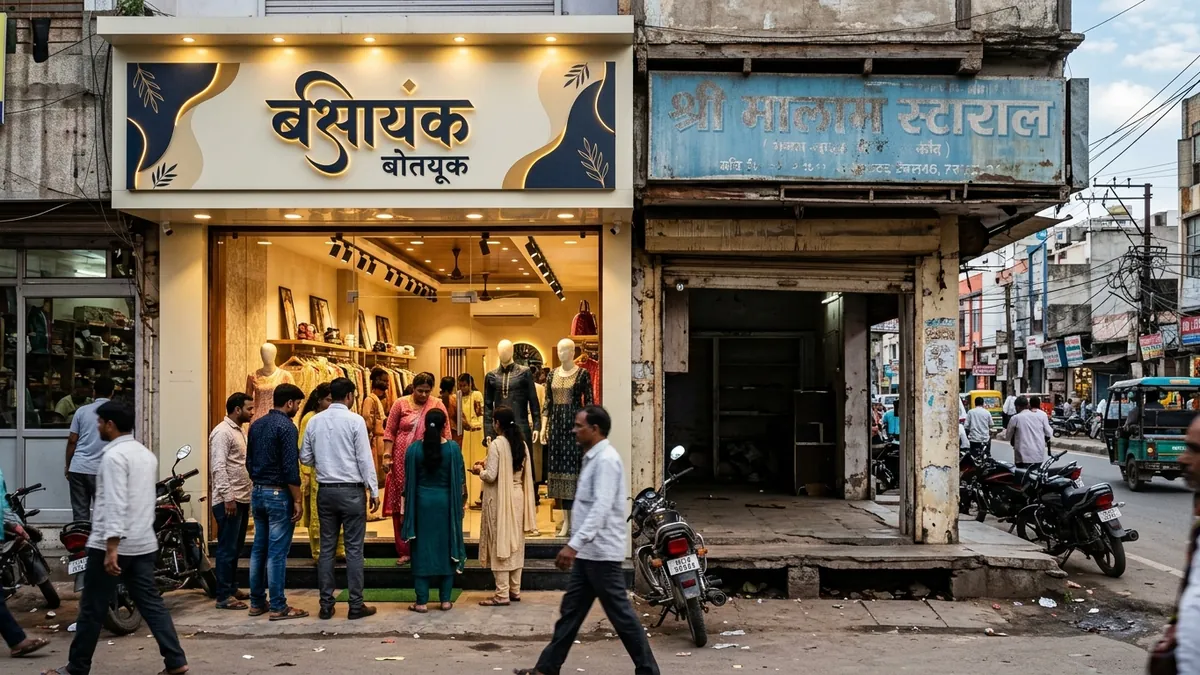
I have seen this pattern clearly with manufacturers and B2B service businesses. They have been operating for ten or fifteen years. They have good clients and strong delivery. But their brand presentation is stuck in 2013. Meanwhile, a competitor who started three years ago has a clean website, a sharp LinkedIn presence and a well-designed capability deck. Guess who the new buyer calls first. The newer business wins not because they are better — but because they look more trustworthy at first glance. If you want to understand where your brand stands right now, a brand analysis is the fastest way to see the gaps clearly.
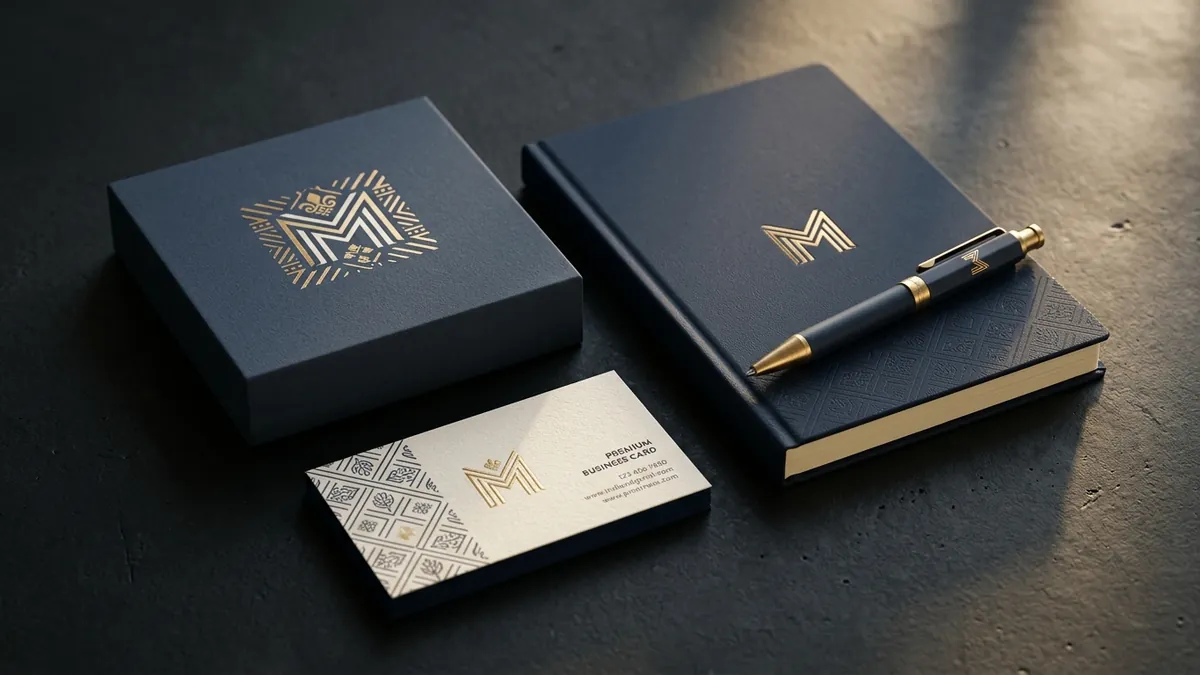
There are three specific things that damage brand trust without founders realising it. The first is inconsistency. When your logo looks different on your invoice versus your visiting card versus your website, it creates a subconscious feeling of disorganisation. Buyers wonder if your operations are just as scattered. The second is vagueness. When your brand does not clearly say who you serve and what you do best, buyers fill that gap with doubt. Specific brands feel more credible than generic ones. The third is silence. If a buyer searches your name and finds very little — no recent content, no client stories, no visible activity — the silence reads as a warning sign.
The good news is that brand trust is fixable. You do not need a massive budget or a full rebrand to start closing the gap. Begin with what buyers see first. Clean up your Google Business profile. Get a consistent set of brand visuals that travel well across digital and print. Write down three clear sentences that explain who you help, what problem you solve and why you are the right choice. Use those same three sentences everywhere — on your website, in your profile, in your proposals. Consistency is trust. When the same clear message shows up across every touchpoint, buyers feel like they are dealing with a serious, stable business. If you are unsure where to start, a one-to-one consultation helps you identify the highest-priority fixes specific to your business.
Client proof is one of the fastest ways to build trust with a cold audience. Most Indian business owners are shy about asking for testimonials or case studies. They assume good work speaks for itself. It does not — not to a stranger. A short written testimonial from a real client, a before-and-after outcome story, or even a photo from a project site does more trust-building work than any tagline you write about yourself. Put these where buyers are looking: your website homepage, your Google listing, your LinkedIn profile and your proposals.
Pricing also signals trust more than most founders expect. A business that cannot clearly explain why it charges what it charges feels risky to a buyer. When a competitor has transparent, confident pricing — even if it is higher — it feels safer. I covered this in detail elsewhere, but the short version is: if you are uncomfortable explaining your price, the buyer will be uncomfortable paying it. Brand trust and pricing confidence are connected more tightly than most people realise.
If customers are consistently choosing your competitor over you, do not jump straight to cutting prices or hiring another salesperson. Spend one afternoon doing what your buyer does. Search your business name. Visit your website as a stranger. Read your own proposal with fresh eyes. Notice where the trust signals are missing or weak. That honest audit is often more valuable than any marketing tactic. And if you want a structured way to look at your brand, growth blockers and positioning all at once, the 2-day business growth workshop is designed exactly for that kind of deep reset. Trust is not magic. It is the result of showing up consistently, clearly and credibly — and that is something every founder can control.
Want to understand where your business growth is stuck?
Book a Business Growth Diagnostic with Abhijit JK — an honest, focused 60-minute one-to-one session with Abhijit JK on your brand, website and growth.
Book a Business Growth Diagnostic