Why Your Enquiries Come In But No One Follows Up
Most business owners I meet tell me the same thing. 'We get enquiries, but they don't convert.' When I ask how they follow up, they go quiet. Some say they send one WhatsApp message and wait. Others say they replied once, the customer didn't respond, so they moved on. That is not a marketing problem. That is a follow-up problem — and it is costing Indian businesses lakhs every year without anyone noticing.
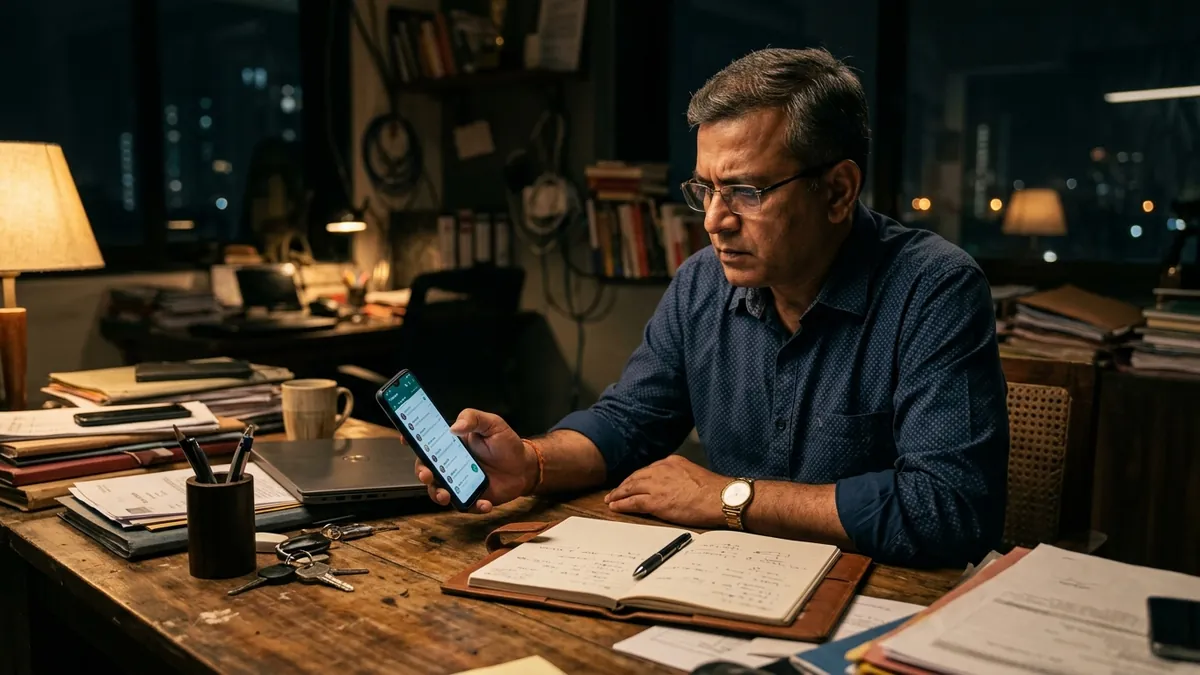
Here is what actually happens in most small businesses. An enquiry comes in on WhatsApp at 11pm. The founder sees it in the morning, replies by noon. The customer, meanwhile, contacted two more vendors. Whoever responded first — or followed up smartest — got the order. Not necessarily the best product. Not the best price. Just the best follow-up. That is the uncomfortable truth most founders are not ready to hear.
The problem is deeper than just response time. Most businesses have no defined follow-up process at all. There is no written SOP for who responds to an enquiry, in what timeframe, using what format, and how many times. Everything depends on whoever happens to see the message first. In a founder-run business, that is usually the founder — who is also handling operations, vendor calls, accounts and thirty other things. The enquiry gets a half-hearted reply and then disappears.
I have seen this pattern repeatedly with manufacturers and service businesses across Bengaluru, Pune and smaller industrial towns. The sales pipeline is entirely in the founder's head. There is no CRM, no tracker, not even a simple Google Sheet. When I ask how many enquiries came in last month and what happened to each one, the answer is almost always a rough guess. If you cannot measure it, you cannot fix it. And if you cannot fix it, you are watching potential revenue walk out the door every single week.
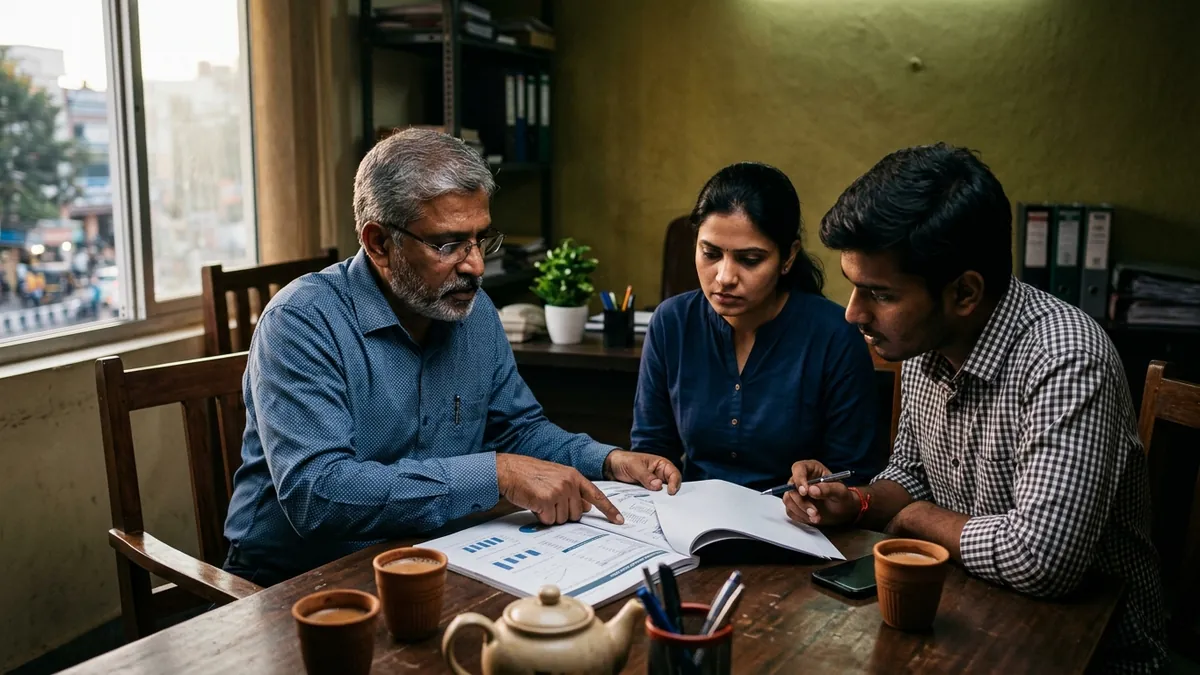
The second big reason follow-up fails is the fear of appearing desperate. Many Indian founders believe following up more than once is pushy or unprofessional. So they send one message, maybe two, and then decide 'the customer is not interested.' But a customer who asked for a quote is interested. They are just busy, or distracted, or comparing options. A well-timed, non-pushy follow-up message — not a copy-paste sales pitch — often gets the order. Silence never does. If you want to work through this thinking and build a sharper sales approach, a one-to-one consultation can help you do that with real context from your own business.
What a practical follow-up system looks like is simpler than most founders think. First, every enquiry gets logged — WhatsApp, email, DM, phone call, all of it — into one place. A Google Sheet works fine to start. Second, you define a response window. Within two hours during business hours is a reasonable target for most businesses. Third, you create three or four message templates that sound human, not automated. A first response, a follow-up after two days, a final check-in after five days. Fourth, you assign responsibility. One person owns every enquiry until it converts or closes. Not the founder. Not everyone. One person.
Timing matters more than most businesses realise. The research on lead response is consistent — the faster you respond, the higher the conversion rate. After one hour, the chance of converting an enquiry drops sharply. After twenty-four hours, you are essentially starting from scratch. Most Indian MSMEs are responding in six to twelve hours, sometimes longer. That gap alone explains a significant portion of unconverted enquiries. Speed is not about being desperate. It is about showing the customer that you are professional and attentive.
There is also a content problem inside most follow-up messages. The typical follow-up says something like 'Just checking if you received my quote.' That tells the customer nothing new. A better follow-up adds value — answers a question they likely have, mentions a project you completed that is relevant to them, or makes it easy for them to say yes. It should reduce friction, not add it. If your quotation is a plain PDF with numbers and no context, that is a separate problem worth solving. But even a good quotation needs a follow-up message that gives the customer a reason to act. This is the kind of thing I cover in detail during business growth workshops — because most business owners have never been shown a proper follow-up sequence with real examples.
Start this week with an audit. Go back thirty days. List every enquiry that came in. Track what happened to each one. How many converted? How many got no reply after the first message? How many did you follow up with more than once? That number — the ones where follow-up stopped after one attempt — that is your real conversion gap. Fix the follow-up system before you spend another rupee on advertising, SEO or lead generation. More leads into a broken follow-up process just means more wasted money. Get the system right, and the same number of enquiries will generate noticeably more revenue. That is not theory. That is what I have seen happen, consistently, when founders finally take follow-up seriously.
Want to understand where your business growth is stuck?
Book a Business Growth Diagnostic with Abhijit JK — an honest, focused 60-minute one-to-one session with Abhijit JK on your brand, website and growth.
Book a Business Growth Diagnostic