Why Your Proposals Get Read But Never Converted
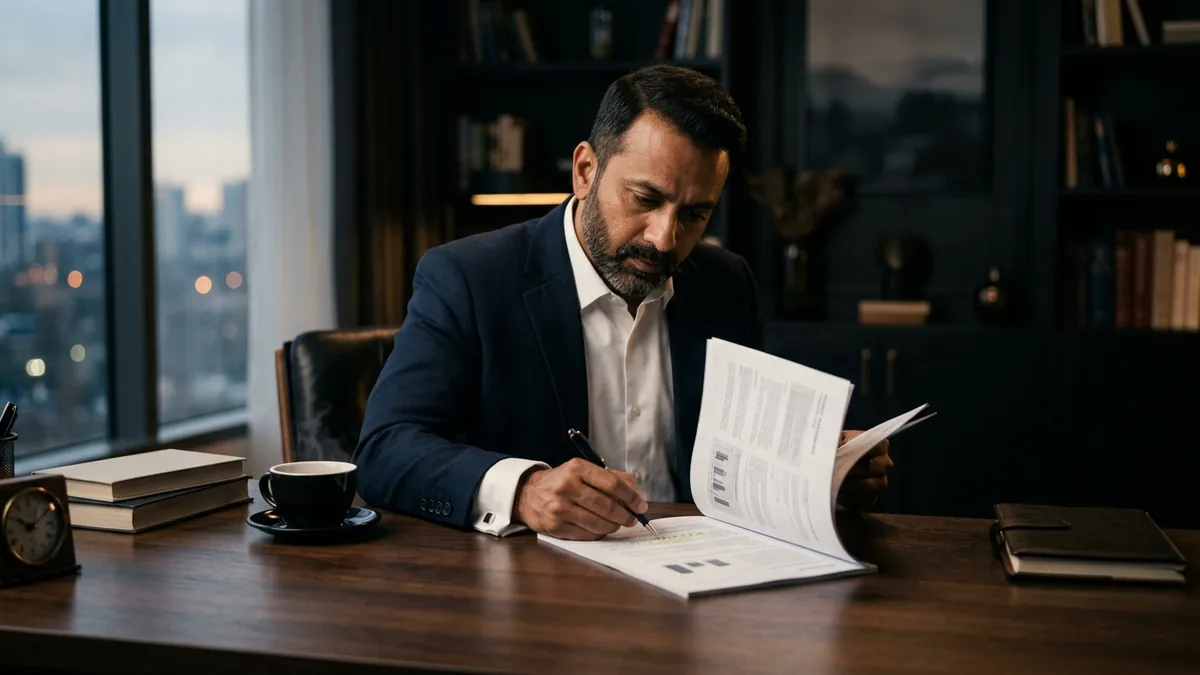
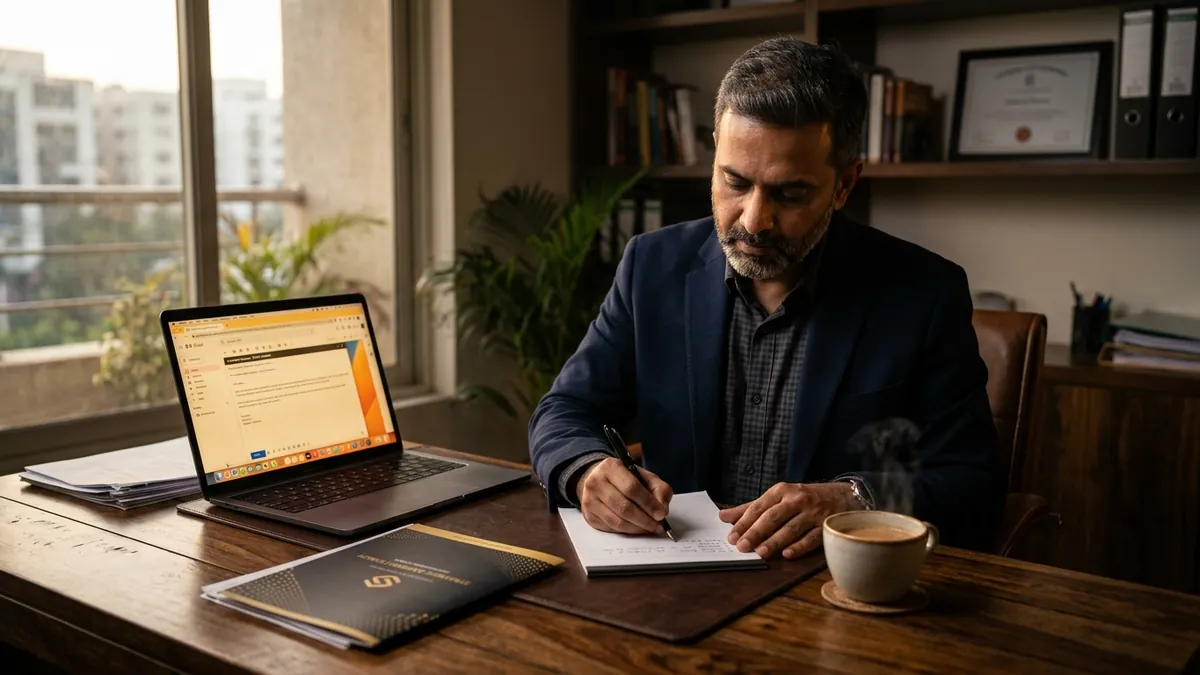
Most business owners I meet have the same frustration. They get on a call with a potential client. The conversation goes well. The prospect says 'send me a proposal.' The owner spends two to three hours putting something together. Sends it across. And then — silence. A follow-up gets a vague reply. Another follow-up gets nothing. The deal disappears. This is one of the most common and most ignored sales problems in Indian MSMEs today.
Here is the hard truth. Most proposals are not losing because of the price. They are losing because of the document itself. The proposal arrives and the prospect cannot figure out, in the first thirty seconds, why they should choose you. It looks like a template. It reads like a brochure. It lists your services but says nothing about their problem. The moment a prospect feels like they are reading something generic, they mentally move on — even if they stay polite on WhatsApp.
I have seen this especially with manufacturers and service businesses. The proposal is essentially a price list with a company letterhead on top. There is no context. No understanding of what the client actually came to you for. No explanation of your process. No evidence that you have done this before. Just a table with figures and a signature box at the bottom. That is not a proposal. That is a quotation. And quotations get compared on price alone. When you compete only on price, you will always find someone cheaper than you.
The second big problem is structure. A strong proposal answers three questions in this exact order — do you understand my problem, do you have a clear solution, and can I trust you to deliver it. Most proposals skip the first question entirely and jump straight to the solution and price. But a prospect who does not feel understood will not read the rest carefully. Start your proposal by reflecting back what they told you they need. Even two or three sentences showing you were listening will change how the rest of the document is received. If you want to go deeper on what builds trust before a client signs anything, a brand analysis can often reveal the gaps your competitors are already exploiting.
Third problem — the follow-up has no system. Sending one follow-up email three days later and then giving up is not a follow-up process. Most deals in the MSME space close between the second and fifth touchpoint. Not the first. A good follow-up sequence does three things. It checks in without being desperate. It adds something useful — a case study, a relevant question, a small piece of information that helps them decide. And it gives them a clear next step rather than leaving the ball vague in their court. Most founders skip this because it feels uncomfortable. But the client who went quiet is usually just busy, not uninterested.
I also want to talk about proposal design because most people underestimate it. If your proposal is a wall of text in a Times New Roman Word document with misaligned tables, it signals something about how seriously you take your work. A prospect makes a judgment call about your professionalism from how the document looks before they read a single word. This does not mean you need a fancy agency to design your proposals. It means clean formatting, consistent fonts, your logo placed properly, and a logical flow from one section to the next. That alone will make you look more credible than eighty percent of your competition.
One thing that works very well — especially for service businesses and consultants — is including a short section called something like 'What happens after you say yes.' Lay out the first three steps of your onboarding process. Tell them what you will need from them and when. Tell them what the first deliverable looks like and when they can expect it. This does two things. It makes the process feel real and removes uncertainty, which is often the hidden reason people delay. And it positions you as someone who has done this before and has a clear method. Confidence in process builds trust faster than any testimonial can. If you are not sure how to communicate your process clearly, a one-to-one consultation can help you build a proposal framework specific to your business and sector.
Also look at what your proposal is asking the client to do at the end. Most proposals end with 'please revert with your confirmation' or something equally passive. Give them a specific next step. 'Let us get on a fifteen-minute call on Thursday to confirm the scope before we begin.' That is a next step. 'Looking forward to your feedback' is not. Small language changes at the end of a proposal can meaningfully shift your conversion rate within weeks.
If your close rate on proposals is below forty percent, that is your signal to treat this seriously. Your product or service is probably not the problem. Your ability to communicate its value in writing — at the exact moment the client is deciding — is what needs work. Go back to the last five proposals you sent that did not convert. Read them as if you are the client. Ask yourself honestly — does this document make me want to say yes? Most of the time, the answer reveals exactly what to fix. You do not need a new product line or a bigger marketing budget. You need a better proposal. Start there. And if you want to understand where else your growth is leaking, try the business growth diagnostic to get a clear picture of what to fix first.
Want to understand where your business growth is stuck?
Book a Business Growth Diagnostic with Abhijit JK — an honest, focused 60-minute one-to-one session with Abhijit JK on your brand, website and growth.
Book a Business Growth Diagnostic