Why Your Brand Name Means Nothing to New Customers
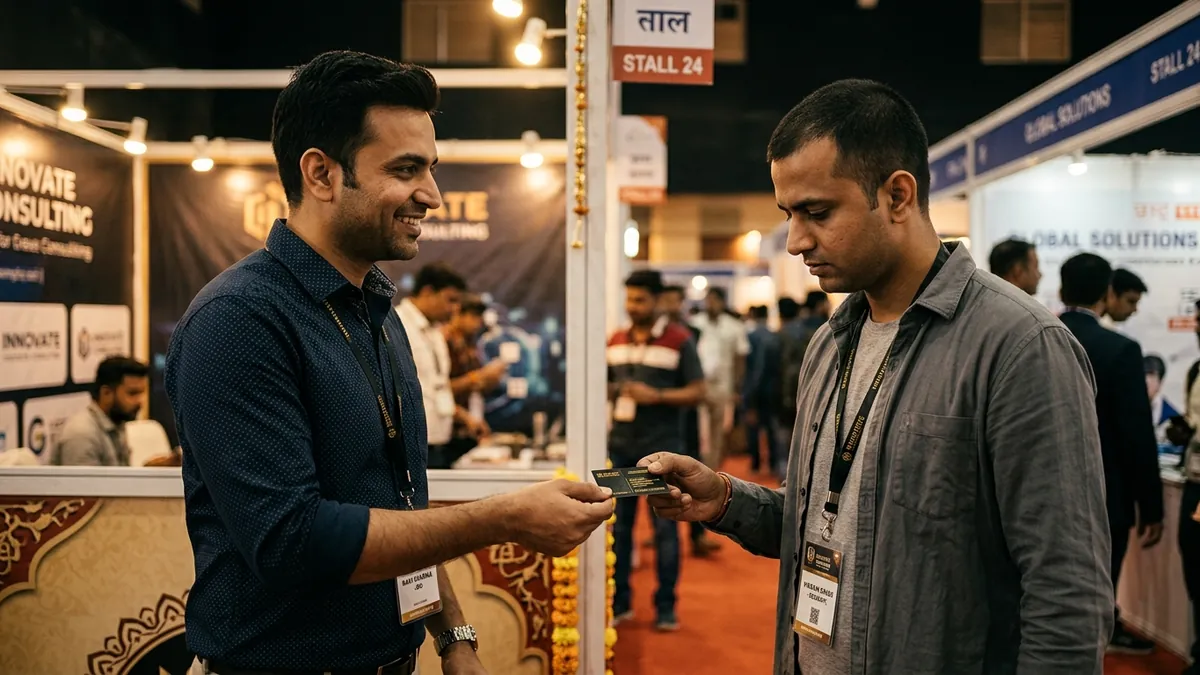
Most business owners I meet are deeply attached to their brand name. They remember the day they came up with it. They know the story behind it. Their team knows it. Their old customers know it. But hand your visiting card to a stranger at a trade fair, and they look at the name and feel nothing. That gap — between what the name means to you and what it means to a new customer — is one of the most common and most ignored brand problems in Indian businesses.
This is not about whether your name is good or bad. It is about whether your name carries meaning without you standing next to it to explain it. Most brand names in India — whether they are founder surnames, Sanskrit words, acronyms or made-up combinations — have zero standalone meaning for someone encountering the brand for the first time. The name works inside your existing customer circle because those people already have context. Remove that context, and the name is just a sound.
I have seen this with manufacturers in particular. A company running since 1987 with a strong reputation in their city — their name is gold locally. But the moment they try to expand to a new state or get listed on an e-commerce platform, they are invisible. The name does not travel with its reputation. The reputation lives in the minds of people who already know them. New customers have no reason to feel anything about that name yet.
The real problem is what I call brand name dependency without brand message support. Your name alone is not supposed to do all the work. What should travel with the name is a tight, clear brand message — a line, a positioning, a visual language — that tells a stranger immediately what you stand for and who you serve. Most businesses skip this. They expect the name to speak for itself over time. That works if you are spending crores on advertising. It does not work for the average MSME. If you want to understand where your brand currently stands, a proper brand analysis will show you exactly what new customers see versus what you think they see.
Here is a practical test. Ask someone who has never bought from you — a friend of a friend, a distant contact — to look only at your brand name, your tagline if you have one, and your logo. Give them thirty seconds. Then ask them what they think you do, who you serve, and why they should care. If they get it mostly right, your brand is doing some work. If they are confused or give you a generic answer, your name has no meaning attached to it yet. Most founders are surprised — and a little embarrassed — by how far off the answers are.
Fixing this does not mean changing your name. Rebranding is often unnecessary. What you need is to build meaning around the name through three things — a clear one-line positioning that says who you are for and what you do differently, a consistent visual system that creates instant recognition, and repeated presence in the right channels with a consistent message. Over time, the name starts to carry weight. It does not happen in a week. But it also does not require a massive budget. It requires clarity. If you are not sure where to start, a one-to-one consultation can help you figure out what your brand name currently communicates and what it needs to.
One thing I see founders do that makes this worse — they keep changing how they describe their business depending on who they are talking to. To a large client they say one thing. To a smaller buyer they say another. On their website they say something entirely different. This inconsistency means the name never accumulates meaning because every interaction is teaching the audience something slightly different. Your name becomes whatever mood you were in when you last described yourself. Brand clarity means your name always lands with the same meaning, regardless of who is saying it or where it is appearing.
There is also a trust dimension to this. When someone hears a brand name and it means nothing to them, their instinct is caution. No recognition means no trust. This is why businesses with strong brand clarity — even small ones — convert faster. The prospect feels like they already know something about this brand before they speak to anyone. That feeling does not come from the name itself. It comes from the consistent story that has been built around the name across every touchpoint they may have brushed against. The 2-day business growth workshop I run covers exactly this — how to build that story and that consistency so your brand name starts earning trust without you having to be in the room.
Your brand name is a container. Right now it might be empty for most people who hear it. Your job is not to get a better container. Your job is to fill this one with clear meaning, consistent presence and a message that makes a stranger think — yes, this is exactly what I was looking for. Start with the message. The name will follow.
Want to understand where your business growth is stuck?
Book a Business Growth Diagnostic with Abhijit JK — an honest, focused 60-minute one-to-one session with Abhijit JK on your brand, website and growth.
Book a Business Growth Diagnostic