Why Your Brochure Gets Taken But Never Acted On
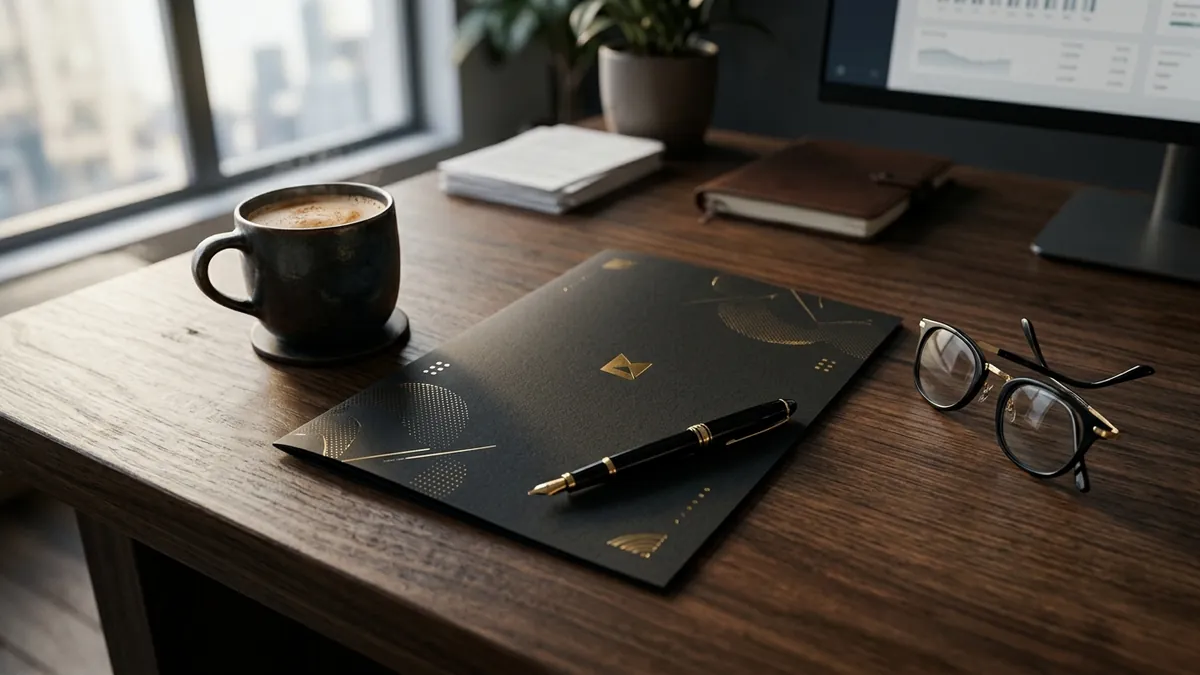
Most business owners I meet have a pile of brochures sitting in a corner of their office. Some have multiple versions — one from three years ago, one made last Diwali, one the sales team says is outdated. They spend anywhere from fifteen thousand to a lakh on design and printing. And then almost nothing happens. No calls. No follow-up enquiries. The brochure gets taken at trade shows, left behind at meetings, handed out at expos — and it silently disappears into someone's bag, never to be seen again.
The first problem is that most brochures are written for the owner, not the buyer. I see this constantly with manufacturers and service businesses. The brochure talks about the company's journey, the year it was established, the number of machines in the factory, the certifications on the wall. But the person reading it has one question in their mind — will this solve my problem? If your brochure cannot answer that question in the first ten seconds, it gets set aside. And set aside usually means thrown away.
The second issue is that the brochure tries to say everything. I worked with a packaging manufacturer who had a four-panel brochure that covered fourteen different product categories, three subsidiary services, their export credentials, their ISO certification, their in-house design team, and their founder's philosophy. Everything was on there. Which meant nothing stood out. A buyer who needs one specific thing looks at it, feels overwhelmed, and moves on. A good brochure is actually a focused document. It should do one job — create enough clarity and confidence for the next step to happen.
Here is something most designers will not tell you: design alone cannot save a bad brief. I have seen beautifully printed brochures with sharp photographs and expensive paper stock that still produce zero response. Why? Because the words inside are vague. 'Quality products delivered on time.' 'Customer satisfaction is our priority.' These lines mean nothing. They are on every brochure from every competitor. What gets a buyer to call you is specificity. Real numbers. Real use cases. A line like 'We supply corrugated boxes to 40+ pharma exporters across Gujarat' is worth ten times more than 'We serve clients across industries.'
The third silent killer is the missing call to action. I pick up brochures at events regularly as part of how I study what businesses are putting out there. At least half of them have no clear next step. No QR code. No WhatsApp number. No offer. Just a general phone number buried in the footer. Think about it from the reader's side. They pick up your brochure three days after the event. They are mildly interested. But if you do not make it stupidly easy for them to take the next step right now, they will not. Friction kills intent. If you want someone to call you, say 'Call us for a free sample' — not just 'Contact us.' If you want a WhatsApp enquiry, put the number large and add the message they should send.
I also find that many founders treat the brochure as a standalone tool. It is not. A brochure works when it is part of a system. You hand it over, follow up with a message, maybe direct them to a product page or a short video. The brochure's job is to create enough trust for the conversation to continue — not to close the sale by itself. If your sales team is handing brochures and walking away with no follow-up plan, you are not missing a design problem. You are missing a process. This is something I regularly help founders think through in a one-to-one consultation — how each piece of marketing material connects to the next step in the buyer's journey.
Before your next reprint, go back and ask four questions about your current brochure. One — does the front cover tell a buyer exactly who this is for and what problem it solves? Two — is there at least one specific, believable claim inside? Three — is there one clear action for the reader to take? Four — does the language sound like how you actually speak to clients, or does it sound like a formal corporate document? If you cannot answer yes to all four, reprint is a waste of money. Fix the content first. Paper and print are the cheapest part of the whole exercise.
I have run sessions with founder groups where we review their sales materials together, and almost every time, the brochure is the most neglected piece. Everyone focuses on social media and websites, which is fair — but offline materials still play a serious role in B2B sales, manufacturing, clinics, and retail. A buyer who walks into a meeting and leaves with a well-crafted brochure goes back and shows it to someone else. That is free reach. If you want to understand how to align your materials with your full sales process, the business growth workshops I run cover exactly this for MSME teams.
The goal is not a beautiful brochure. The goal is a brochure that makes your buyer feel understood, trust you faster, and take one small step toward working with you. Everything else — paper quality, printing finish, number of panels — is secondary to that. Stop spending on reprints that look better but say the same wrong things. Spend one afternoon rewriting the content with your buyer in mind. That is the change that will actually get your phone to ring.
Want to understand where your business growth is stuck?
Book a Business Growth Diagnostic with Abhijit JK — an honest, focused 60-minute one-to-one session with Abhijit JK on your brand, website and growth.
Book a Business Growth Diagnostic